


Yuki Noguchi
Yuki Noguchi is a correspondent on the Science Desk based out of NPR's headquarters in Washington, D.C. She started covering consumer health in the midst of the pandemic, reporting on everything from vaccination and racial inequities in access to health, to cancer care, obesity and mental health.
Since joining NPR in 2008, Noguchi has also covered a range of business and economic news, with a special focus on the workplace — anything that affects how and why we work. In recent years, she has covered the rise of the contract workforce, the #MeToo movement, the Great Recession and the subprime housing crisis. In 2011, she covered the earthquake and tsunami in her parents' native Japan. Her coverage of the impact of opioids on workers and their families won a 2019 Gracie Award and received First Place and Best In Show in the radio category from the National Headliner Awards. She also loves featuring offbeat topics, and has eaten insects in service of journalism.
Noguchi started her career as a reporter, then an editor, for The Washington Post.
Noguchi grew up in St. Louis, inflicts her cooking on her two boys and has a degree in history from Yale.
-
Drug store chain CVS is piloting a program to bring mental health counseling into 12 retail stores. The goal is to improve access to care, and reduce medical costs associated with poor mental health.
-
Vaccine passports are a flashpoint in the COVID-19 pandemic, but they were used decades ago to help control smallpox. After smallpox was eradicated, there was no longer a need for the passports.
-
 One smart way of getting the vaccine to communities at high risk of COVID-19: Take it to places many patients already visit three times a week.
 -
About half of dialysis patients nationally are Black or Latino and vulnerable to severe Covid-19 or death. Many get dialysis three times a week, so vaccinating at those centers would be efficient.
-
Misinformation about COVID-19 vaccines began circulating the Black community when chat groups were infiltrated to sow doubt. There are now tactics to spread more accurate information about vaccines.
-
 Some doctors are seeing a disturbing spike in lethal alcoholic liver disease, especially among young women. The recent trend has been supercharged, they say, by the pandemic's isolation and pressures.
 -
 The 85-year-old Tibetan spiritual leader scrapped plans to receive the injection at home, opting instead to travel to a clinic. "More people should have courage to take this injection," he said.
 -
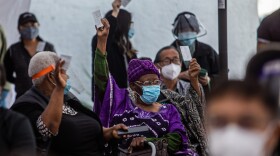 The Biden team wants to swiftly vaccinate people of color and others most vulnerable to COVID-19. But health centers are learning that speed and achieving racial equity don't always go hand in hand.
 -
 A community health center is now immunizing the local homeless population. But vaccination logistics, already complex, are compounded by the additional barriers in communication and transportation.
 -
 Supply shortages of oxygen for hospitals have plagued many countries, but the U.S. has averted the most dire — partly because the industry figured out new ways to share resources and anticipate needs.


